Inbound marketing and natural referencing
Last modified on August 2, 2021
Search engine optimization (SEO) and inbound marketing may seem like they’re at odds with each other. However, the constant evolution of SEO seems to suggest that it’s becoming more and more similar to content marketing and, more broadly, to inbound marketing. By making them work together, the two can indeed create fantastic opportunities to reach your target audience.
To understand how the SEO and inbound marketing can work In cohesion to help you achieve your marketing goals, let’s look at some techniques for optimizing your content.
Have a keyword strategy
Having a good keyword strategy is important to have your pages in the search engine results (SERP). Not so long ago and still today, some SEOs used more than borderline techniques to achieve their goals: stuffing with keywords or expressions, putting white text on a white background to include keywords, unnecessary repetitions, etc. Google robots (those volatile creatures that search and rank your pages) thwart these false good ideas with each new update of its algorithm.
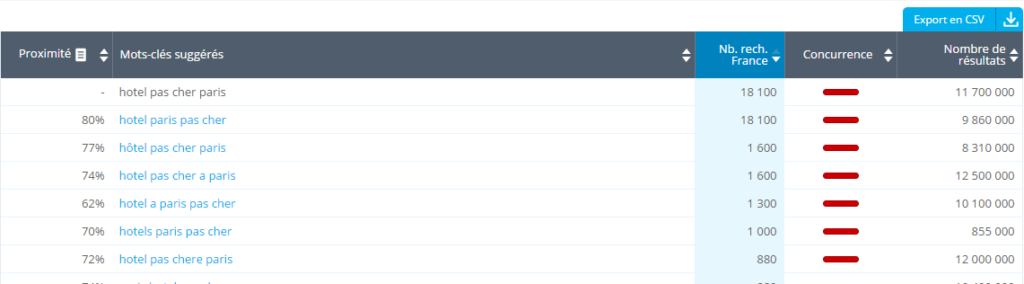
So what does a keyword strategy mean? Basically, it is know your audience. What words do they use to search for information that you have? What are the words that are associated with your products or services? To get ideas, you can help yourself in keyword research with a tool like Ubersuggest. You then need to check the relevance of these keywords. Google’s planner is ideal, because even if it is intended for Adwords, it is quite usable to estimate traffic and competition. If you are mainly targeting the French market, you can also use Yooda’s excellent Insight which is very comprehensive.
Implementing Keywords in Content
It is essential to create content because it is its relevance which will help you rank well on search engines. To create content with the inbound marketing approach, write articles for your blog on topics around your business. It is also important to create landing pages to attract your target. So be natural when you write your content. to make it enjoyable to read and don’t just think for Google! Consider making bullet points, visual content like infographics or videos, and highlighting headings and subheadings in your content.
When producing content, also remember that each page represents an indexed page. It is recommended to ideally have one page per keyword worked on for an optimal result and to ensure that Google understands the keywords on which you want to position yourself. Finally, use a set of keywords rather than using the same keyword too many times in your content to better appear in search engine results.
Create shareable content
With social media, the amount of information available online has skyrocketed, and so has our ability to share. We may not want to share our dessert, but we love to share a tasty infographic! Take advantage of this increased propensity to share information by creating shareable content. When your audience shares your content, it helps you build quality links that boost your SEO and make you easier to find by others. If you don’t have a community yet, it’s becoming urgent for you to create one. With the multitude of platforms that exist today, There is definitely a social network where your target is located. No more excuses! You will finally have a greater reach and capture the interest of new prospects looking for your knowledge and expertise.
To summarize, have a keyword strategy which focuses on the words of your target audience. Implement these keywords in your content. Create your community and create shareable content by making it easy to access. Don’t forget that inbound marketing is now the best ally of natural referencing!

Passionate about the web and entrepreneurship, I founded Digitiz in 2016. My goal is to share my experience with you and save you time in choosing your tools.
Similar articles