
Which e-commerce CMS to choose to create your online store
Last modified July 13, 2024
An essential tool for getting started in e-commerce, the choice of a CMS should not be taken lightly. This can in fact be a real performance lever just as it can be an obstacle to the development of its activities, depending on its functionalities. To better guide you, we have selected the three best e-commerce CMS that currently exist on the market.
Shopify vs WooCommerce vs PrestaShop comparison
 |
 |
 |
|
| Platform type | Subscription-based service. | Open-source CMS (must be installed on a web server). | Open-source CMS (must be installed on a web server). |
| Ease of use | Easy | Average | Complex |
| Templates available | +200 | +10000 | +2000 |
| Extensions | +1400 applications on the Shopify app store | +50000 extensions | +3000 modules |
| Sales Commissions | From 0.5 to 2% depending on formula | No | No |
| Prices | Basic Shopify: $29/month Shopify: $79/month Advanced Shopify: $299/month |
Free
Cost of domain name, hosting, themes and plugins. |
Free
Cost of domain name, hosting, themes and modules. |
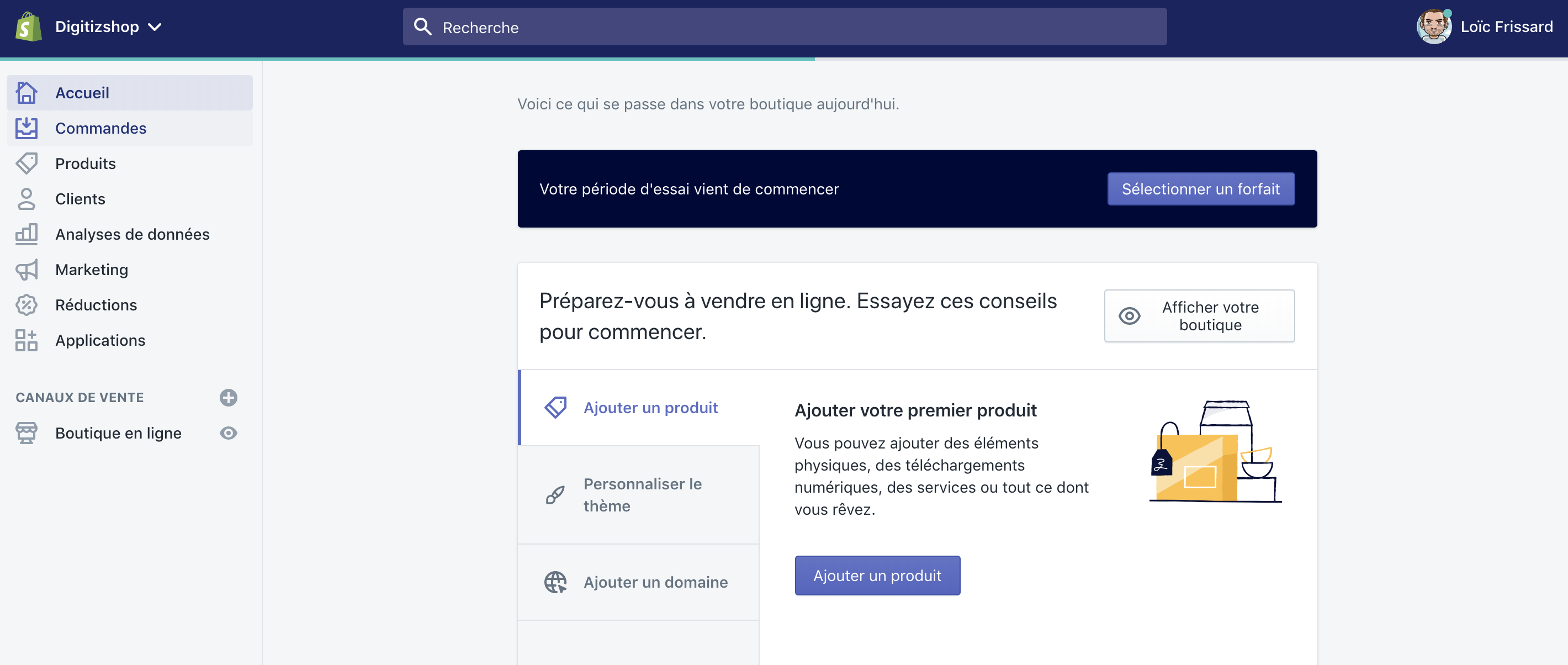
Shopify is an e-commerce platform designed to help a structure, whatever its size, to easily create and develop an online point of sale or do dropshipping. This can be done thanks to its many features, some of which are:
Inventory management: Shopify integrates a management module. This allows you to keep track of the structure’s stock. In other words, this solution allows the user to know in real time the information necessary to avoid disruptions. It is also programmed to keep an eye on resources, allowing good time management between supply and requests. The main purpose of this functionality is to allow the manager to communicate more easily with customers and ensure their order.
Remote management: One of the biggest benefits of using Shopify is that it allows for remote store management. It is possible for the user, using a connected tablet or smartphone, to access their product returns. This is in order to best satisfy customers. This functionality is also useful for viewing, at any time, the company’s commercial performance. Indeed, associated with the data analysis module, access to the latter can be done at any time.
Activity reports: Shopifiy is programmed to automatically produce reports on store activities. This is to allow the manager to obtain all the essential information concerning his business. This solution notably collects details on sales, purchases and customers. If necessary, it also takes data on the structure’s marketing.
Furthermore, Shopify is particularly intuitive. The user will therefore have no difficulty accessing its various functionalities. Thanks to this solution, the creation of an online store can be done without having to be a professional.
See also: Prestashop vs Shopify: which one to choose for your e-commerce?
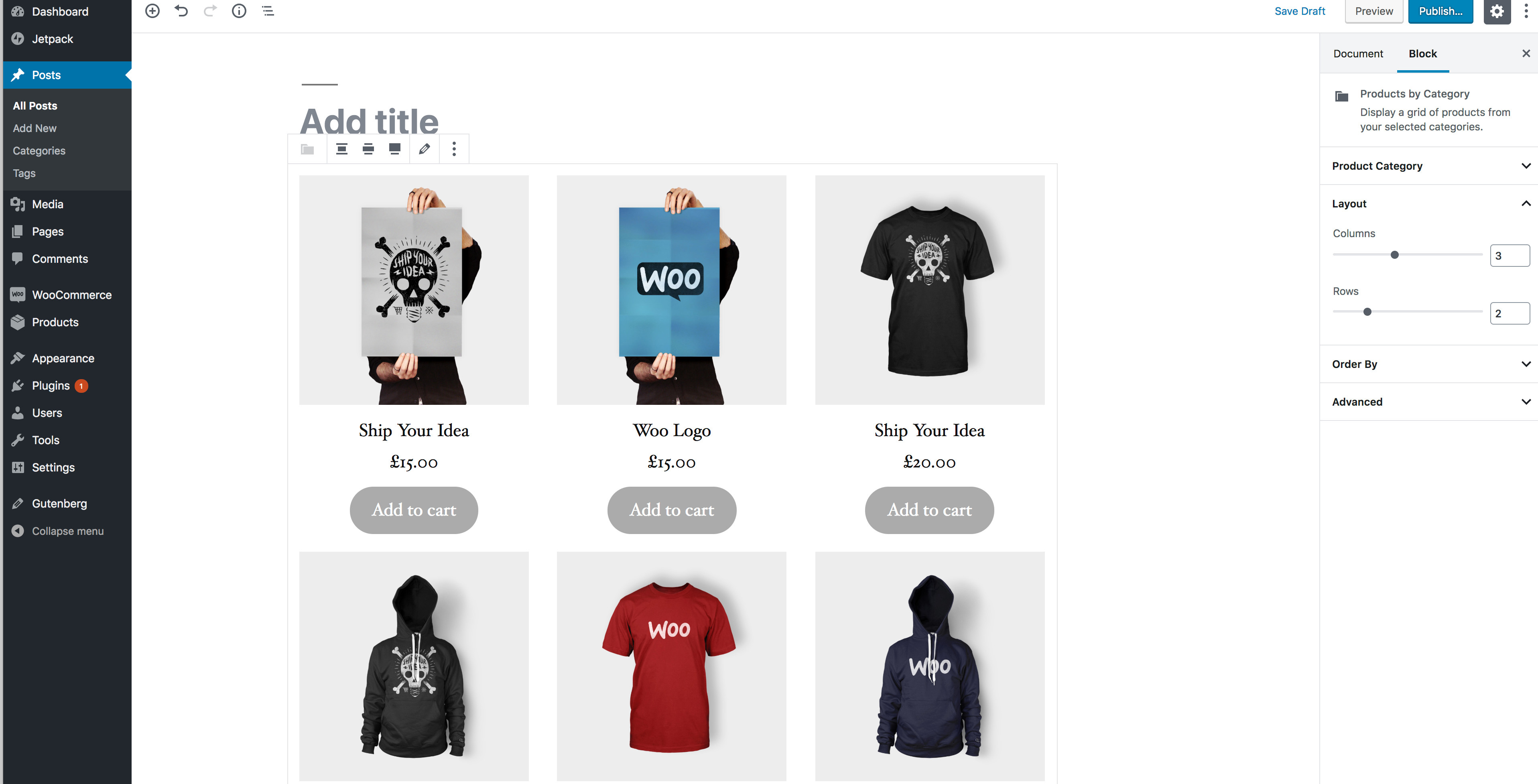
Creating your own site quickly and without special qualifications can be done easily with WooCommerce. This solution is programmed to help managers set up an effective online site. It is intuitive, powerful and complete at the same time. What are its features?
Tax management: Tax management is one of the many modules that the user can benefit from with WooCommerce. This feature generally controls tax classes. To do this, the solution takes care of the calculations automatically. These are done in several ways, either depending on the customer’s delivery address or billing or the store itself.
Management of activities: The use of this solution allows in particular the sale of virtual products, namely musical files. It also manages orders, invoices and customers. The same goes for inventory, essential to satisfy customers and keep track of digital and physical resources.
Report management: With WooCommerce, the user has the necessary tools to easily create their own databases. The goal is to quickly produce an activity report and subsequently carry out marketing campaigns or promotions appropriate to the situation.
In addition to its many features, this solution is interesting for its essential advantages.
Its extensions: Opting for WordPress allows you to benefit from more than 50,000 extensions. The functionalities it offers can therefore be added and adapted to the user’s request. The latter will thus be able to improve their website according to their needs.
His designs: WooCommerce is a highly customizable platform. It can be configured according to the user’s desired look. This is to allow the latter to work comfortably and according to their imagination.
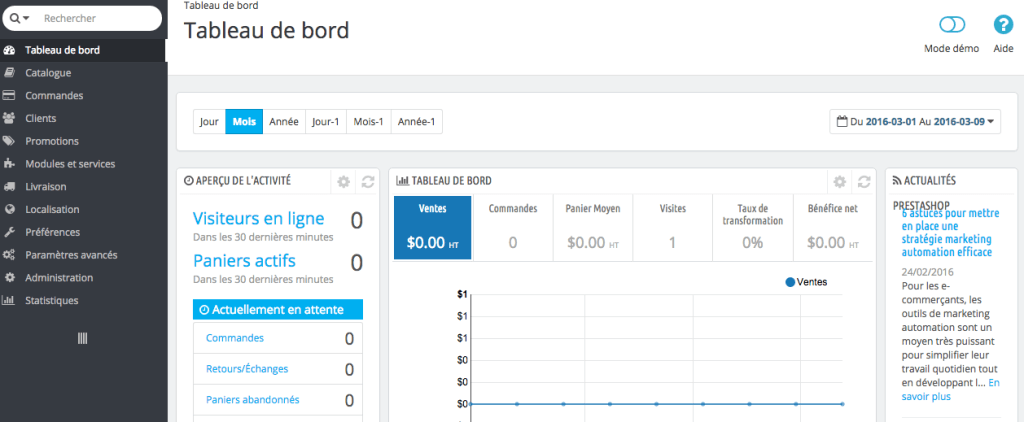
PrestaShop represents the e-commerce platform par excellence. This is a complete solution, essential for easily and confidently developing an online store. It can be used by all companies wishing to improve their performance and has many advantages
A wide variety of themes: Choosing your colors, logo or design becomes possible with PrestaShop. This e-commerce solution offers different themes, to be used according to the requirements of the structure. The goal is to allow everyone to create a site that conveys the image they wish to convey to their customers and prospects.
Product creation: This solution makes it possible to quickly create product packs, including those in digital files. It also allows you to add information about them, so that customers can easily find the items they are looking for. The user can also define a message for out-of-stock items, avoiding the need to write one for each product.
Inventory management: With this platform, the manager has an intuitive tool programmed to easily track product inventory. It is also possible to obtain an overview or detailed view of the products in stock. The same goes for its suppliers and manufacturers. This is to ensure orders and resources.
The configuration of the store: Since creating an online store involves various activities, thanks to PrestaShop, managing it becomes simpler. This solution can integrate various online payment solutions, allowing customers to take advantage of multiple options. On the navigation side, the user has the necessary modules to configure the display of products according to their preferences. He can, in fact, organize the items in the store to his liking, as well as the filters and internal search functions. If you are not technically comfortable, there are turnkey solutions that allow you to easily host and configure your site in PrestaShop.
See also: Top 8 of the best hosts for an e-commerce site
How to choose a CMS or e-commerce software?
Although there is a classification of the best e-commerce CMS, it is essential to find the solution that will meet your needs. The choice of such software must be based on several criteria, in order to achieve your objectives and work according to your capabilities.
Technology
First of all, you need to find the right technology. SaaS solutions are particularly an excellent choice. In general, e-commerce platforms offer the best deals on the market. When new features appear, your tool updates automatically. This update will be particularly essential to ensure the sustainability of your activity. Ensuring the progress of your project is only possible if you have an effective tool at all times. However, I would rather recommend an open-source solution if you want to have more flexibility and customization.
Performance
The performance of an e-commerce CMS is one of the most important points not to be neglected. It is indeed undeniable to choose a tool whose response time is particularly efficient. The upload must be bug-free, in which case your orders and deliveries may be delayed. Concerning visibility on search engines, it is also necessary to ensure that the platform used is perfectly compatible for SEO. The natural referencing of an e-commerce site depends on the technical performance of the CMS but also on the possibility of being able to integrate a blog to generate more traffic.
Getting started
In general, creating a website requires special skills. However, some solutions promise excellent handling. These are to be prioritized, particularly for beginners. Becoming familiar with internet development languages is not easy, the ideal is to find an intuitive tool. In particular, there are suppliers offering trials.
The possibility of support
Many platforms offer support to allow the user to work easily. This is a crucial way to achieve your goals and carry out all your projects. Some solutions include functionalities programmed for such a task. Others offer an interactive community. The latter are mainly recommended if the structure does not have a developer team. This will allow you to share your experiences and learn from other users. These exchanges will allow everyone to optimize their project by avoiding, among other things, the technical pitfalls of such an activity.
In addition to the tool’s capabilities, it is also important to determine certain points specifically regarding your resources and needs.
The budget
The choice of an e-commerce CMS must depend above all on your budget. On the market there are notably free solutions offering basic functionalities. There are also more efficient tools, requiring a monthly or lump sum payment, depending on the services requested. Prices differ from one platform to another, as do their modules. The ideal is to define a budget as well as the functionalities essential to the realization of your project. This will allow you to find the solution that will meet the needs of the structure.
Products to sell
To find the solution suited to your project, it is essential to determine in advance the products to sell or the services you offer. This greatly impacts the platform to choose. Indeed, if the activity mainly concerns a product, catalog management is simple. Otherwise, you will need to find a tool offering powerful features that can help you manage several thousand articles.
In short, the choice of an e-commerce CMS depends on several factors. The criteria to be taken into account generally focus on the user’s final needs and objectives. In these cases it is necessary to determine them and find the appropriate tool. However, if possible, getting help from an expert or a developer can be an excellent initiative. This will, among other things, prevent you from investing in an ineffective tool.